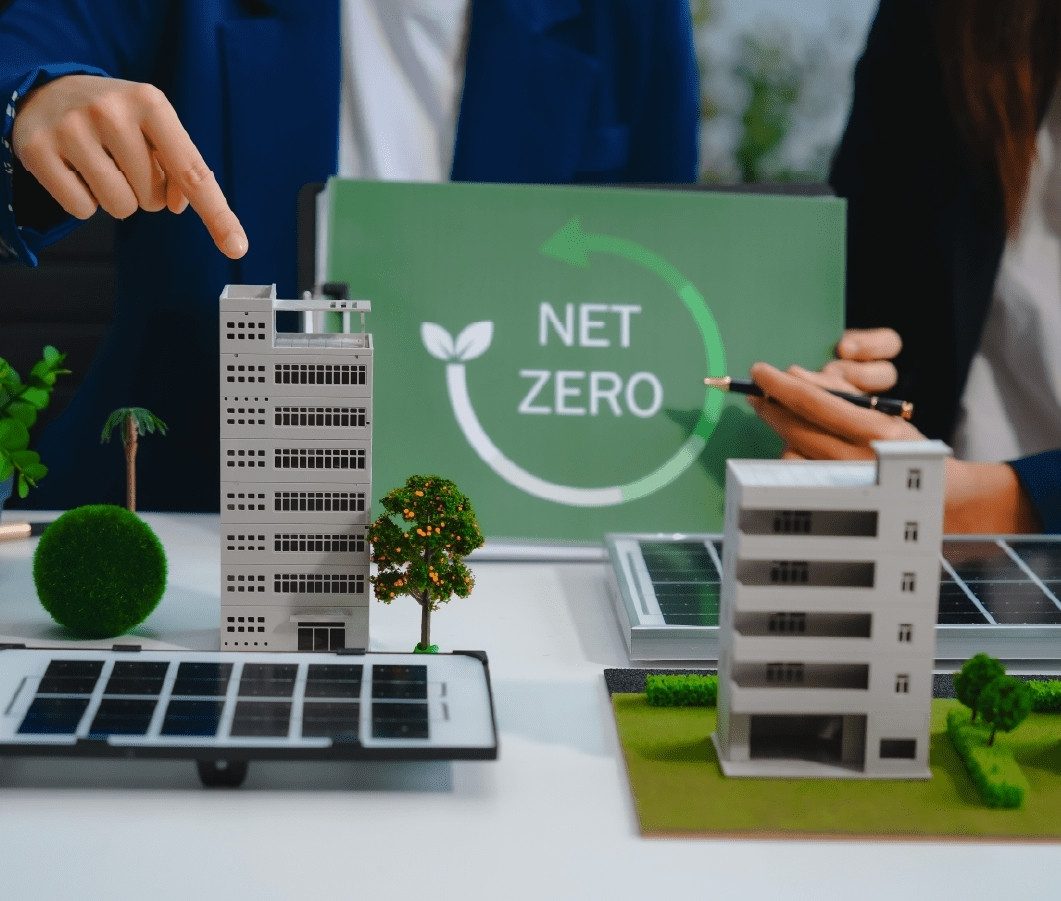
Future-Proof Your Building With a Net Zero Certification

Our Net Zero Certification helps you reduce carbon emissions, lower operating costs, and enhance your buildingʼs value.

By going Net Zero, youʼll not only meet sustainability standards but also attract eco-conscious clients, tenants, and investors.

Lead the way in creating healthier, future-proof spaces.

Net Zero Certification
Enhanced Sustainability Reputation

Enhanced Sustainability Reputation

Regulatory Compliance

Reduced Carbon Footprint

Energy Cost Savings

Energy Cost Savings

Green Star Certification | Investor & Client Confidence

Investor & Client Confidence

Net Zero Certifications

For projects capable of fully offsetting or positively mitigating their carbon emissions, water usage, solid waste generation, and broader ecological impacts.

Net Zero AP

What are Net Zero or Net Positive rated projects?

These projects include new builds, existing structures, and fit-outs, with certification awarded to those demonstrating full environmental neutrality or a net-positive impact.

Projects are able to achieve Net Zero/Net Positive Ratings in:

Carbon

Water

Waste

Ecology

Carbon

Carbon

Water

Water

Waste

Waste

Ecology

Ecology

Net Zero/Net Positive Carbon Building

A building is designed to be highly energy-efficient, with its remaining energy needs met entirely by renewable sources (preferably on-site, but off-site if necessary). This results in zero net carbon emissions annually. A Net Positive status is achieved when the renewable energy generation exceeds the building's total energy consumption.

Net Zero/Net Positive Carbon Building

A building is designed to be highly energy-efficient, with its remaining energy needs met entirely by renewable sources (preferably on-site, but off-site if necessary). This results in zero net carbon emissions annually. A Net Positive status is achieved when the renewable energy generation exceeds the building's total energy consumption.

Net Zero/Net Positive Water Building

This building type is designed to significantly reduce water use during both its construction and ongoing operations. It harvests, recycles, and reuses water such that the amount of water produced is equal to the amount consumed (Net Zero). A building is Net Positive when the water recycled or produced is greater than the total amount of water consumed.

Net Zero/Net Positive Water Building

This building type is designed to significantly reduce water use during both its construction and ongoing operations. It harvests, recycles, and reuses water such that the amount of water produced is equal to the amount consumed (Net Zero). A building is Net Positive when the water recycled or produced is greater than the total amount of water consumed.

Net Zero/Net Positive Waste Building

A building that manages its waste stream through reduction, reuse, and recovery of materials, ensuring that no solid waste is sent to a landfill over the course of a year, including both construction and operations, is considered Net Zero. It achieves Net Positive status if it processes waste from other sites, diverting it from landfill for productive reuse.

Net Zero/Net Positive Waste Building

A building that manages its waste stream through reduction, reuse, and recovery of materials, ensuring that no solid waste is sent to a landfill over the course of a year, including both construction and operations, is considered Net Zero. It achieves Net Positive status if it processes waste from other sites, diverting it from landfill for productive reuse.

Net Zero/Net Positive Ecology Building

Achieving a Net Zero ecological impact means that a development on a greenfield site must maintain or restore the original pre-development ecological value of that site. For brownfield sites, existing developments, or greenfield sites, enhancing and improving the site's ecological features and biodiversity results in a Net Positive outcome.

Net Zero/Net Positive Ecology Building

Achieving a Net Zero ecological impact means that a development on a greenfield site must maintain or restore the original pre-development ecological value of that site. For brownfield sites, existing developments, or greenfield sites, enhancing and improving the site's ecological features and biodiversity results in a Net Positive outcome.

Why Choose Net Zero Certification?

Lower Energy Costs

Lower energy costs through efficient design and renewable energy use

Boosted Property Value

Boosted property value and long-term investment appeal

Clear Commitment

Commitment to sustainability and climate action

Greater Energy Independence

Greater energy independence and operational resilience

Stronger Brand Reputation

Stronger brand reputation that attracts tenants, partners, and investors

Send Us a Message

About Independent Quality Assurers

Mellissa Titus, the Lead Sustainability Consultant, is dedicated to the Built Environment and Sustainability.

She brings years of experience and a background in construction and civil engineering within the Built Environment dating back to 2014.

Over recent years, Mellissa has developed considerable expertise in the Green Star SA rating system, having contributed to and completed numerous Green Star projects.

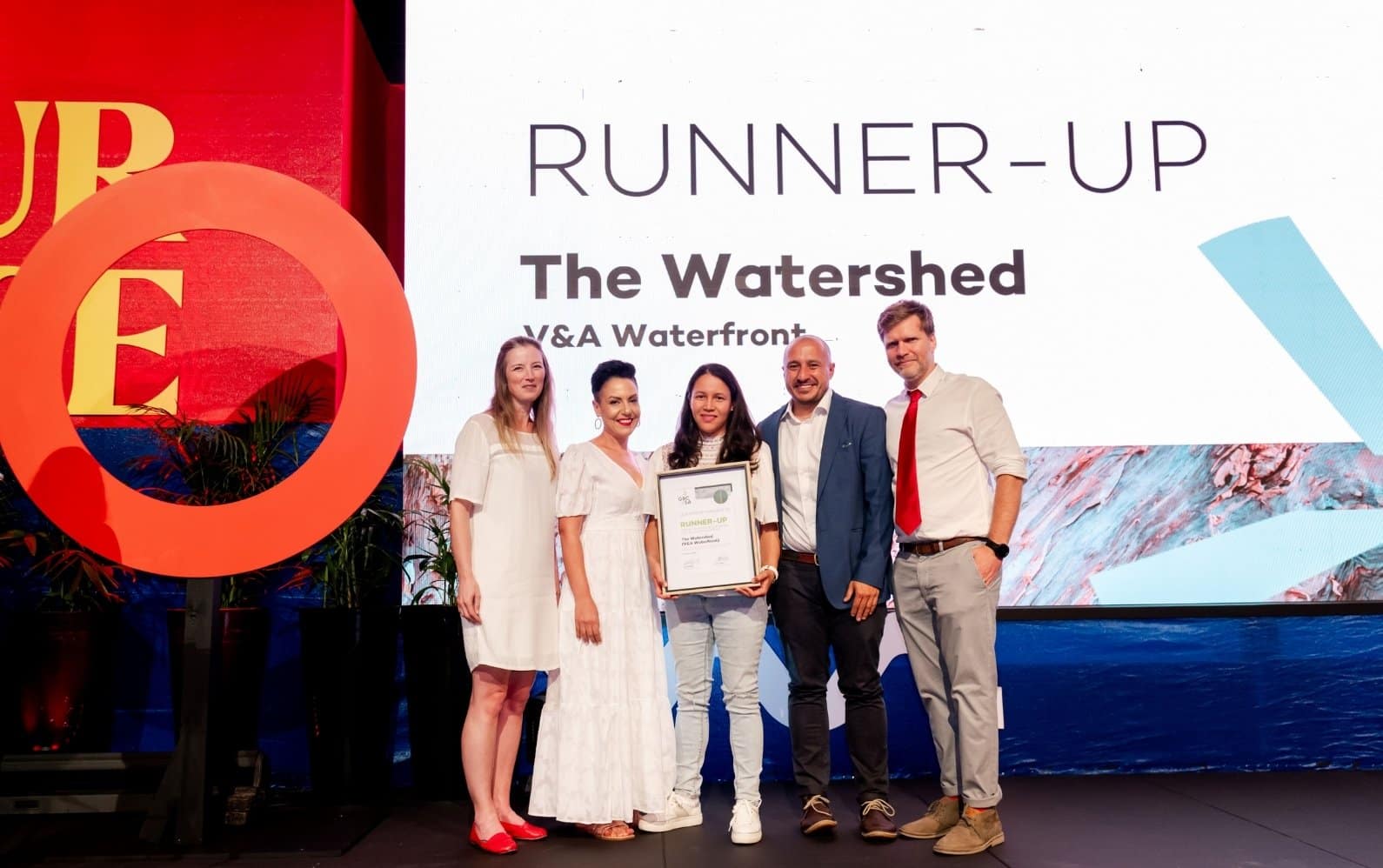
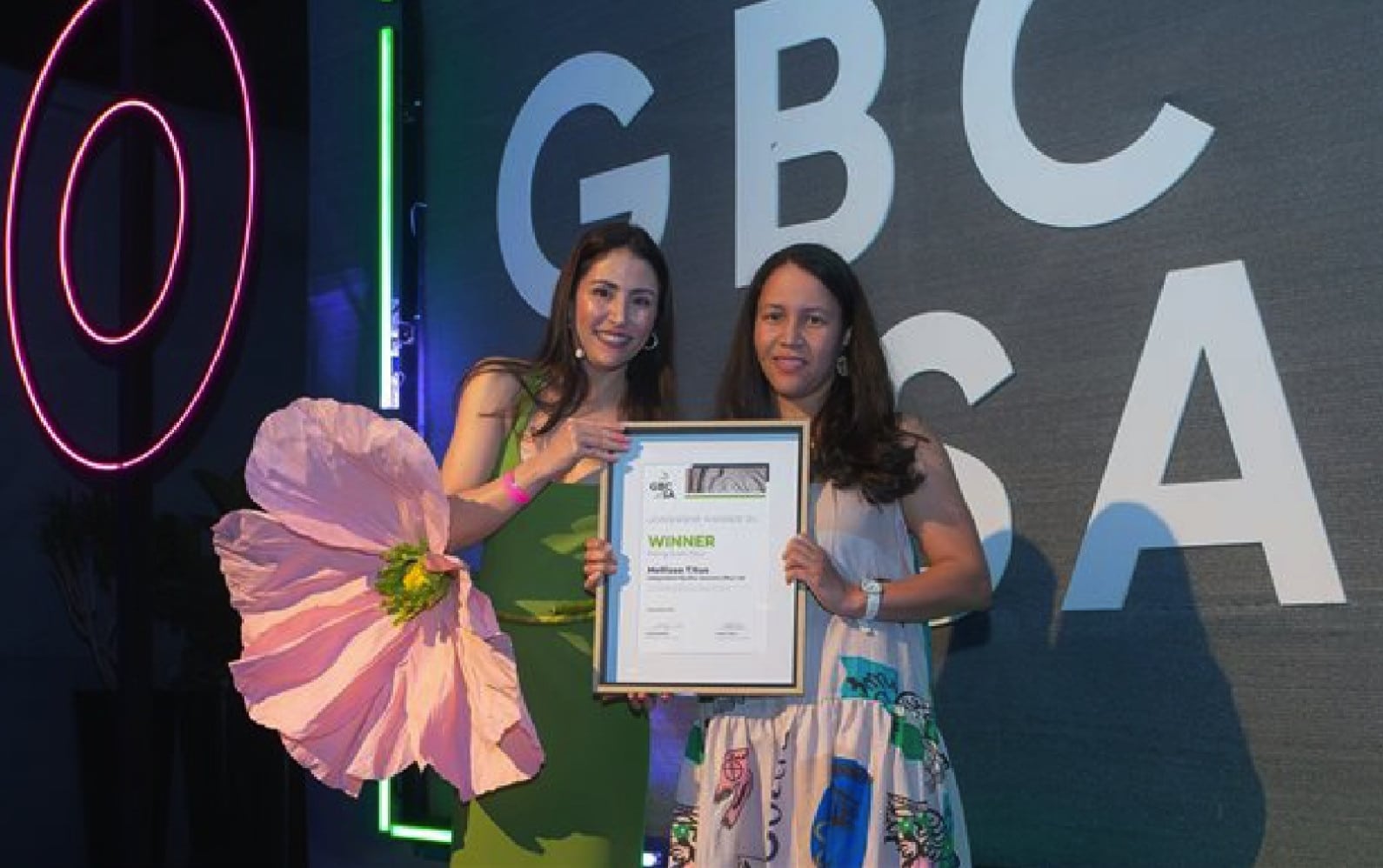
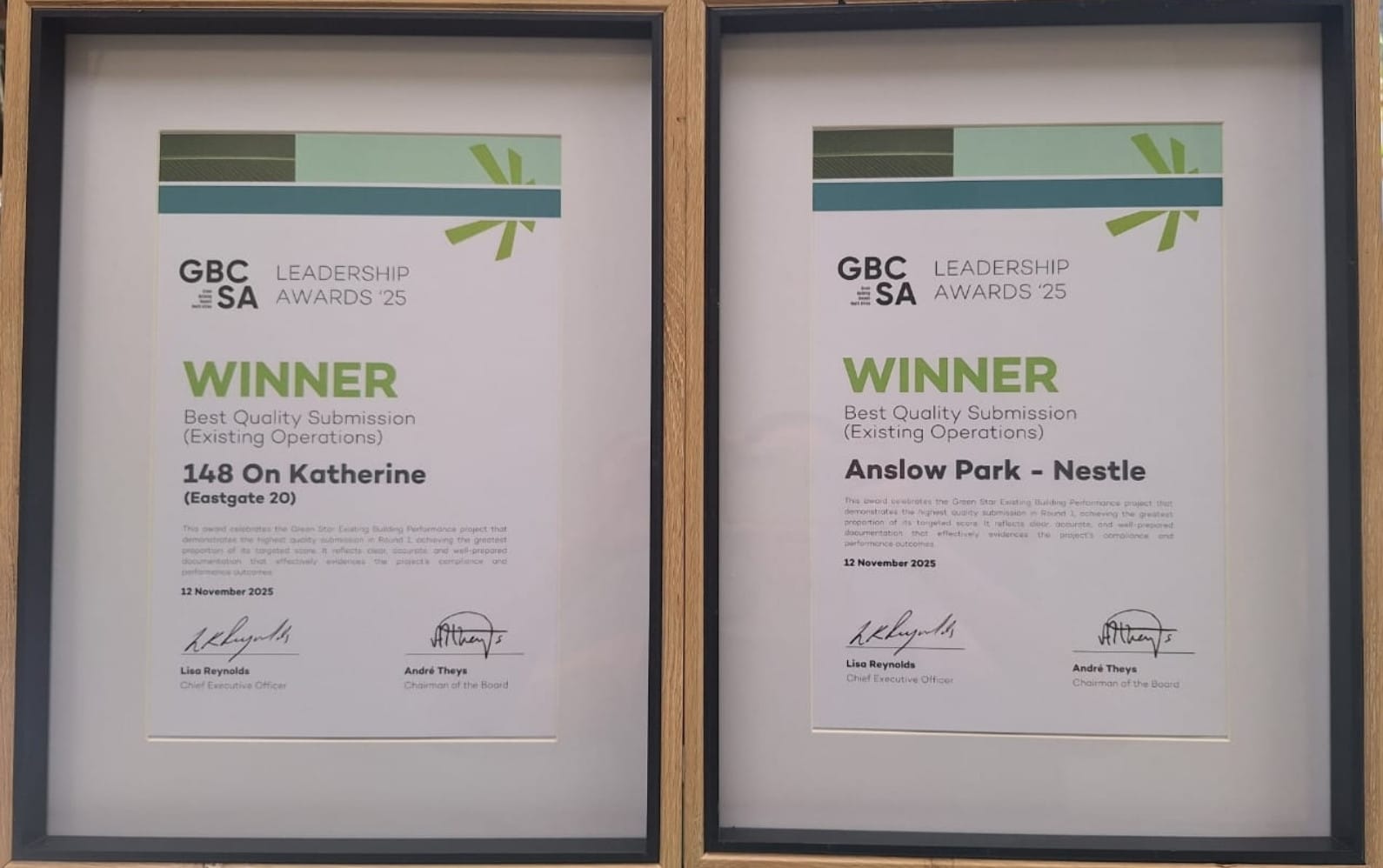
She has received recognition at the GBCSA Leadership Awards for her role in the green building industry in South Africa.

She is also an assessor for the Green Building Council of South Africa.

Melissa

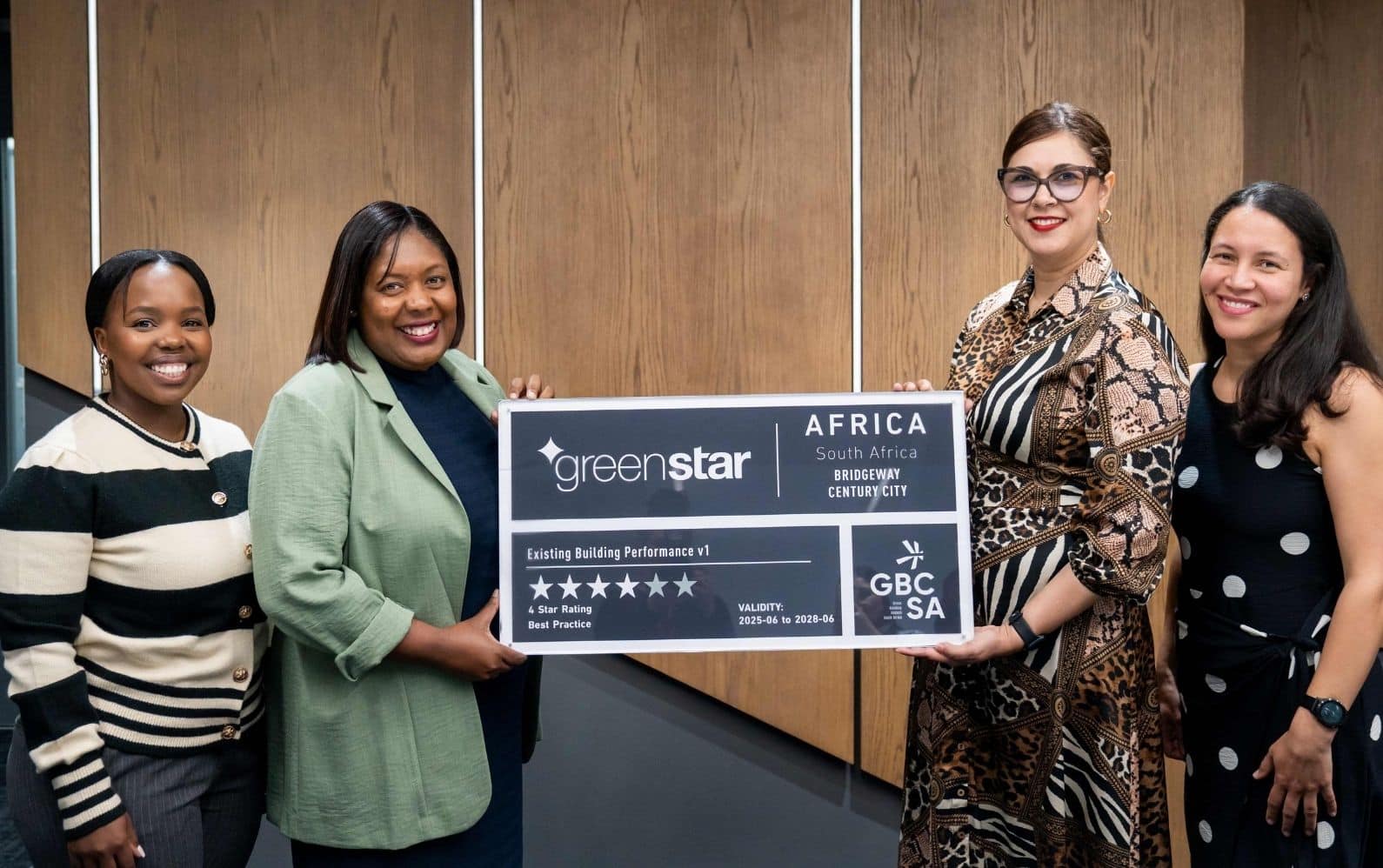
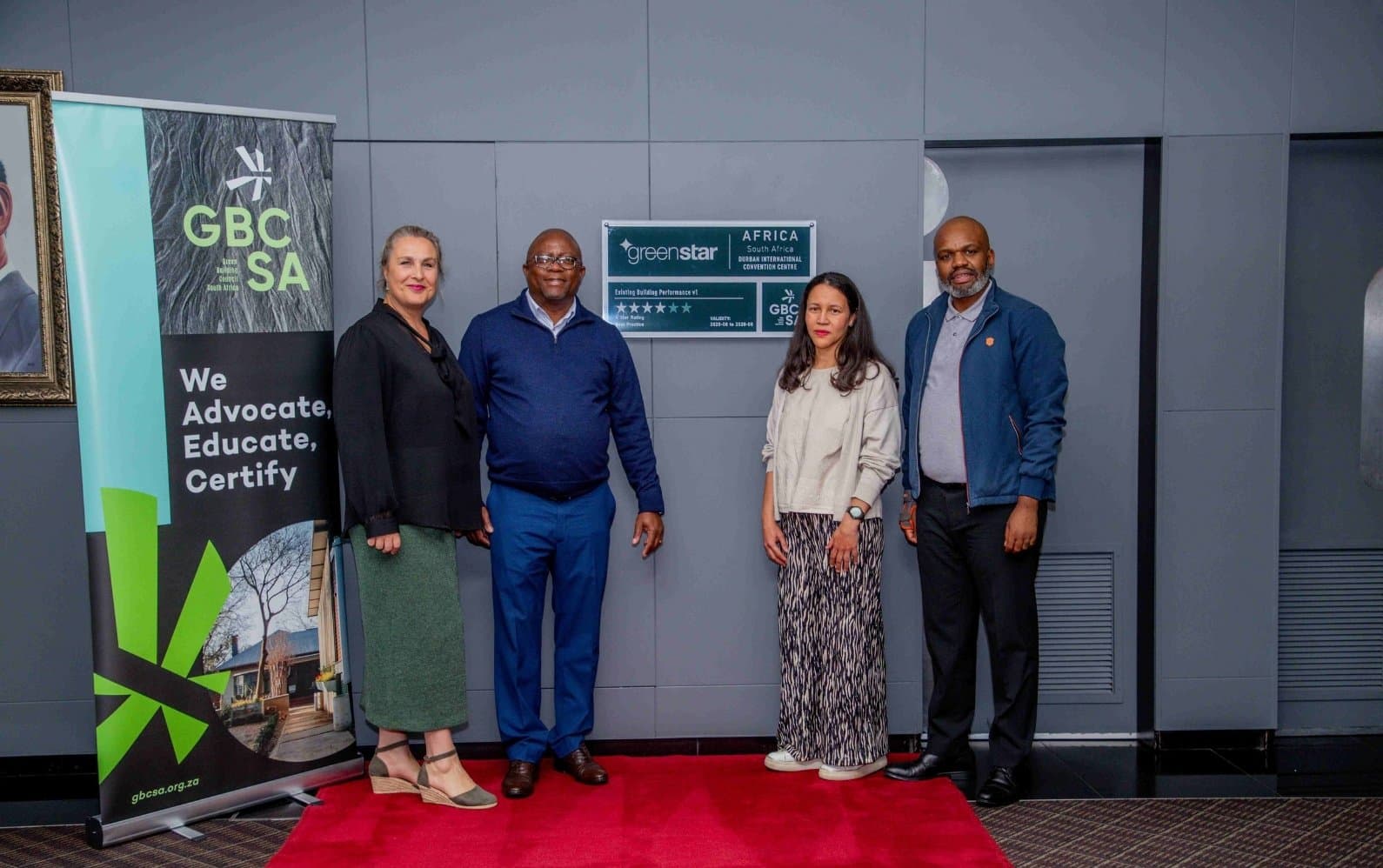
Awards, Accomplishments & Plaque Handover

Client Testimonials

Our Clients & Partners

Experience across government and private sectors

Durban ICC
Growth Point
Green Space
Ethekwini Municipality